


BOARDING FAQ
|
|
Considering boarding from ages 7-18 at Denstone College? This FAQ page brings together the questions families ask most often from boarding options and daily routines to pastoral care, weekends and practicalities. It's designed to give you a clear sense of what life is like in our boarding community, what's included, and what to expect as your child settles in. If you can't find what you're looking for, our Admissions team will be happy to help.
| What is boarding like at Denstone? |
|---|
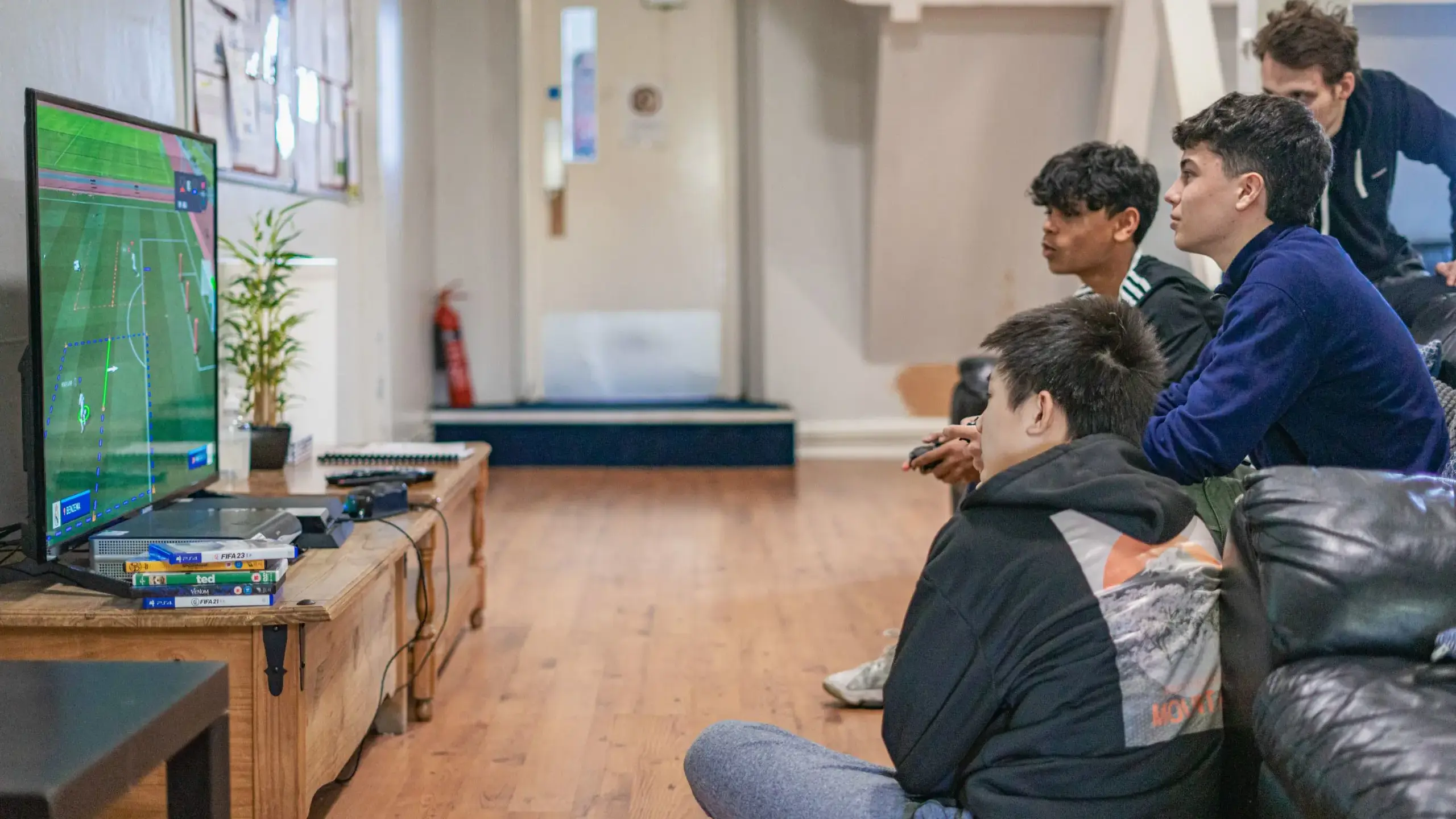
| Boarding at Denstone is an immersive experience where learning and personal development are supported beyond the classroom. Each house is a friendly, safe home at school, and boarding is designed to feel like a home from home within a close community. |
| What are Denstone’s boarding houses like? |
|---|
| Denstone has four boarding houses, each with its own character and community. Every house is led by an experienced Housemaster/Housemistress, supported by a team of tutors and a matron, who work together to care for pupils and help them thrive. |
| Which boarding house would my child be in? |
|
Boarding is organised by age and stage:
|
| What types of boarding do you offer? |
|
Denstone offers flexible boarding to suit modern family life. Pupils can board on a:
|
| What are the benefits of boarding? |
| Boarding supports pupils’ growth in confidence, independence and community spirit. It also gives pupils greater access to facilities and a wide range of sport and co-curricular opportunities, alongside the friendships and social life that come from living in a supportive community. |
| How do you support pupils’ wellbeing and pastoral care? |
| The welfare of boarders is a top priority. Boarders are supported by strong, open relationships with staff and can speak to trained members of staff including their Tutor, Head of House, Head of School/Boarding, Boarding Tutor, Matron, Wellbeing Centre staff, School Doctor, School Counsellor, Chaplain, Deputy Head Pastoral/Wellbeing, and the Head of Wellbeing. |
| Who looks after boarders day-to-day? |
| Each boarding house has resident leadership (Housemaster/Housemistress), an assistant, a team of tutors, and at least one matron. Together, they share responsibility for pupils’ welfare, routines, and the overall house environment. |
| What makes Denstone boarding different? |
| Denstone boarding combines high-quality education with excellent pastoral care, plus an ambitious programme of evening activities and weekend trips. Pupils benefit from a structured, supportive routine while developing independence and strong friendships. |
| Will my child be busy outside lessons? |
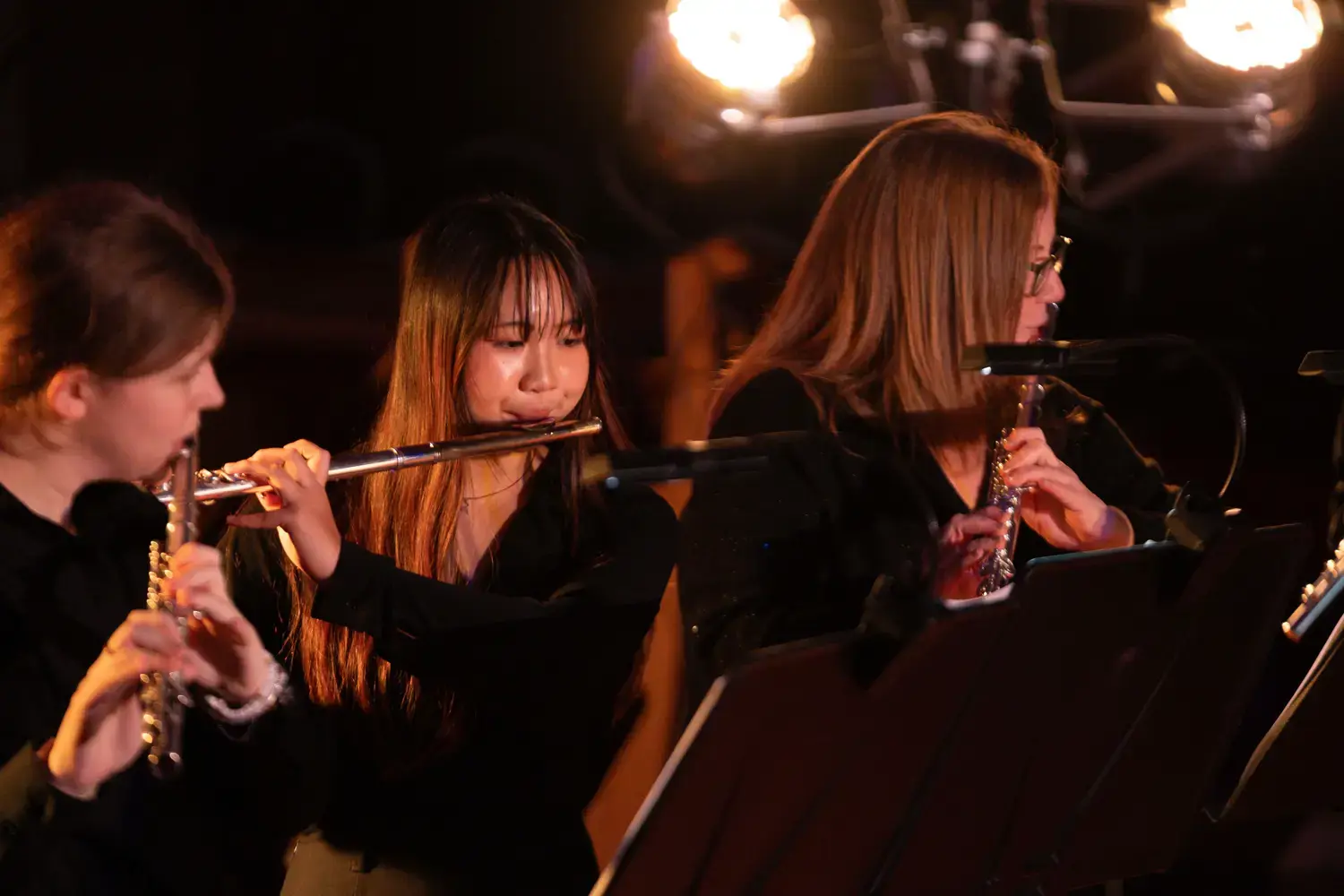
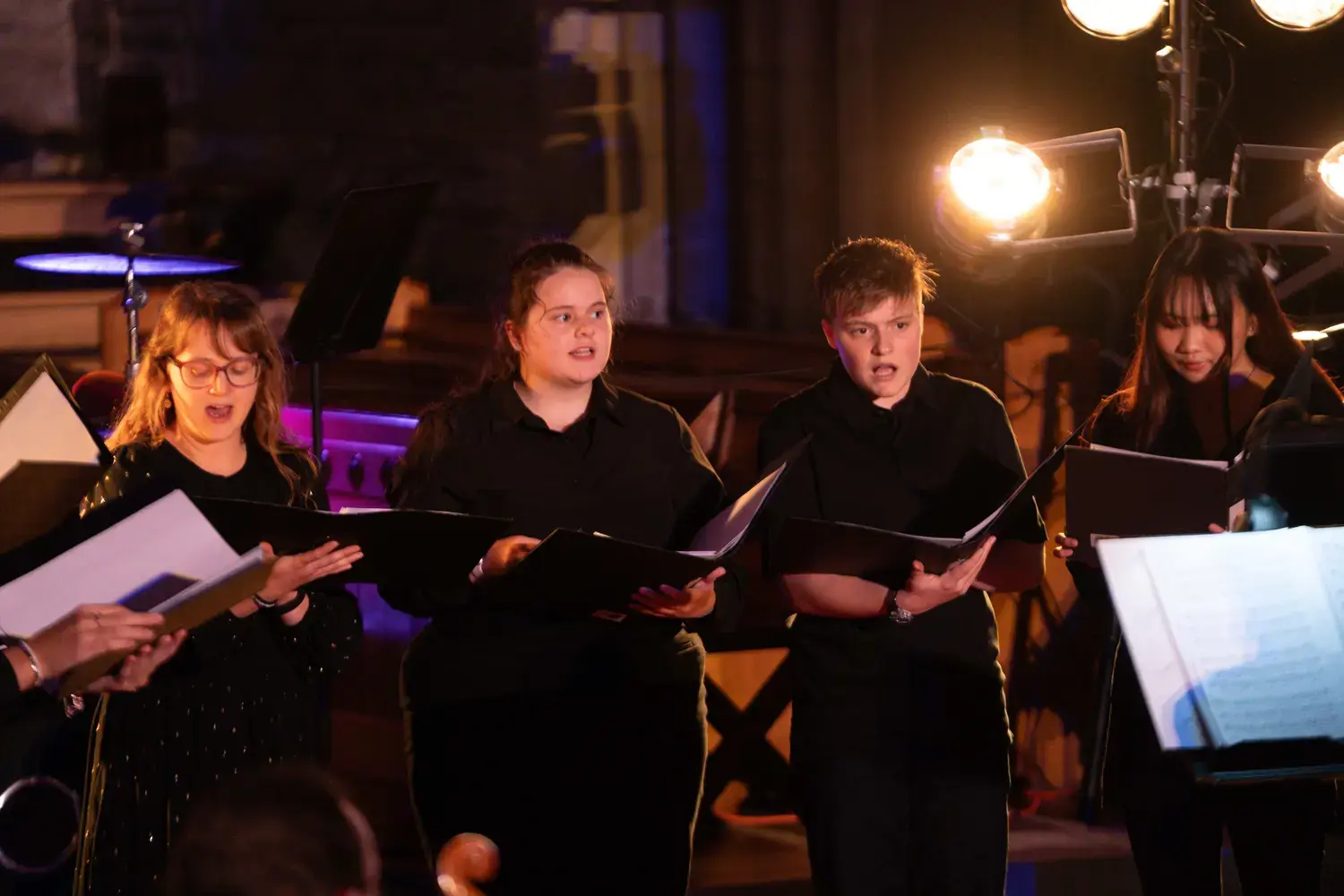
| Yes, boarders have easy access to sport and a wide range of extra-curricular opportunities. Evenings and weekends include organised activities and trips, and pupils are encouraged to get involved while also learning how to balance commitments and downtime. |
| What is the approach to digital life and boredom? |
| Denstone recognises that boredom is often “staved off” by excessive digital experiences. Boarding offers a positive alternative: a busy, social environment with activities, friendships, and opportunities that keep pupils engaged and developing. |
| What is Denstone’s boarding ethos? |
| Boarding is based on mutual respect and the belief that pupils should be able to work, play and relax free from abuse, intimidation, harassment, teasing and bullying. Denstone promotes equality of opportunity and respect for all, and values privacy within a shared community. |
| How do you help pupils build independence? |
| Boarding life naturally develops independence and responsibility—pupils learn to manage routines, take responsibility for themselves and others, and develop social skills through daily life in a community. |
| How do you support links with home? |
| Links with home are seen as central to boarders’ support and development. Families are welcome to contact their child in the evenings, and the school encourages open communication between home and house staff. |
| When can I contact my child? |
| Parents are welcome to contact their child during the evenings. Pupils are expected not to be on their phones during prep time (7.00pm–8.30pm) and after in-room times. |
| What is the best way to contact boarding staff? |
| Email is usually best, as staff can respond around teaching and co-curricular commitments. For urgent matters, families can contact the duty mobile, answered by the Head of Boarding House or the tutor on duty. |
| Can parents and guardians visit the boarding houses? |
| Yes, but access is controlled to safeguard pupils and respect that the boarding house is their home. Visitors (including parents) may enter boarding areas by prior arrangement with boarding staff, and are expected to sign in/out and be accompanied by the pupil they are visiting. Access is typically more open at the beginning/end of term and at exeats, when staff are present to monitor arrivals and departures. |
| What security measures are in place? |
| External doors have intruder alarms which are set each night after lights-out and unset in the mornings. Pupils also have a lockable cupboard in their room and should bring a padlock. |
| What items should my child bring for boarding? |
| A practical packing list includes bedding, towels, nightwear, toiletries, coat hangers, netted laundry bags, an alarm clock, reading books, a padlock, water bottles and a school bag. All items should be clearly named. |
| What are the rules on electrical items? |
| Electrical appliances must be tested and labelled. Certain items are not permitted, including electric blankets, fridges/toasters/kettles/cooking appliances, televisions, unsuitable extension leads/adaptors, and fan/convector/bar radiators. |
| What should pupils wear in the evenings? |
| School uniform is worn during the working day. After 5.30pm on Monday, Tuesday, Thursday and Friday, pupils may wear suitable home clothes. After Games on Wednesday and Saturday, and all day Sunday, pupils may also wear appropriate home clothes. |
| What are the rules about leaving the site? |
| Permission is needed before leaving the College. Pupils granted permission must sign out (during the school day at the Lodge; at other times in the relevant signing-out books). Boarders are not to leave accommodation before 7.30am or after published “in school” times without express permission. |
| What are exeats and how do they work? |
| Exeats are short breaks that occur every 2–3 weeks when the school closes for most pupils. The school typically closes at 16:10 on exeat Friday and reopens at 18:00 on Sunday (or Monday on a bank holiday). International boarders are encouraged to spend exeats with guardians, but may stay at school under supervision. |
| What time do boarders return after an exeat or half term? |
| Boarders usually return on the Sunday between 6.00pm and 8.50pm, with registration at 9.00pm. Boarding houses are closed and unsupervised before 6.00pm. |
| How do weekly boarding routines work? |
| Weekly boarders are typically absent for two nights each week. Families complete a weekly routine form at the start of the year, and the school can be flexible about changes—provided the Head of Boarding is informed in advance. |
| How much notice do you need for absences? |
| Where possible, 24 hours’ notice is preferred for any planned absence from the boarding house. Parental permission is required, ideally via email (or via the duty mobile if email isn’t possible). |
| What support is available for international boarders? |
| International pupils are supported within the same caring boarding community, with strong emphasis on welfare and trusted relationships. For exeats, parents are expected to appoint an accredited guardian (BSA or AEGIS), and the school works closely with guardians/homestays to ensure pupils are safe, supported and happy. |
| Do you welcome pupils of different faiths and cultures? |
| Yes. As a Christian school within the Woodard family of schools, Denstone welcomes pupils of all faiths and cultures, who are encouraged to play a full and active role in College life. |
| Can day pupils access the benefits of boarding? |
| Yes. Day pupils are integrated with boarders across the school and houses, and many day pupils enjoy elements of the boarding experience—some later choosing to board. |